
In today’s fragmented digital landscape, businesses often struggle to manage customer interactions across Facebook, YouTube, email and phone lines. Omni-Channel Convergence is the strategic solution to this problem.
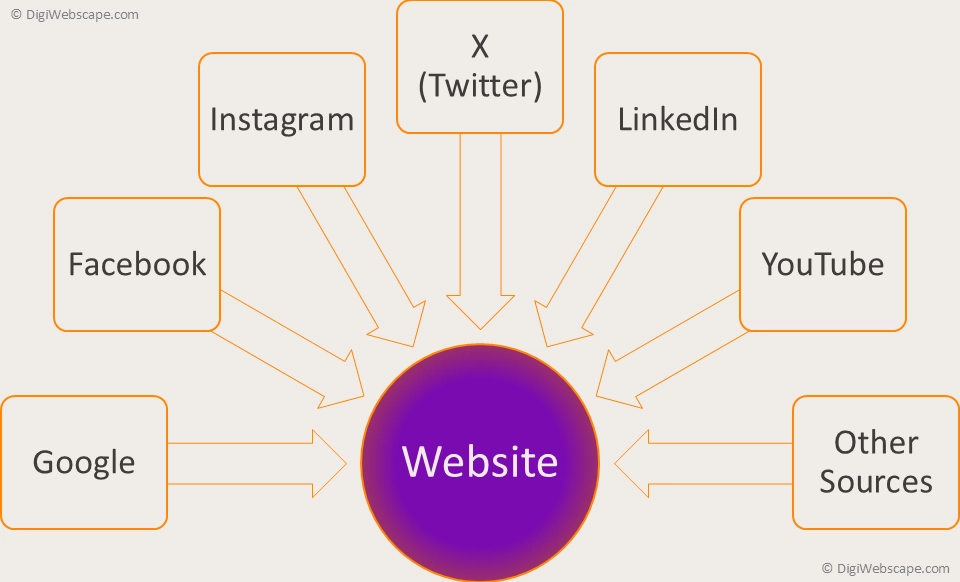
It involves attracting traffic and leads from various online sources and directing them to a single, centralized hub (typically a website or landing page). By consolidating these interactions, you streamline customer service, unify your sales funnel and create a seamless experience for your audience.
Table of Contents
- Why Centralization Matters
- The Limitations of Isolated Channels
- How to Implement Omni-Channel Convergence
- Conclusion
- Usage Terms
Why Centralization Matters
Imagine providing customer support on Facebook while your sales team handles inquiries on YouTube. As your business grows, managing these siloed communications becomes chaotic.
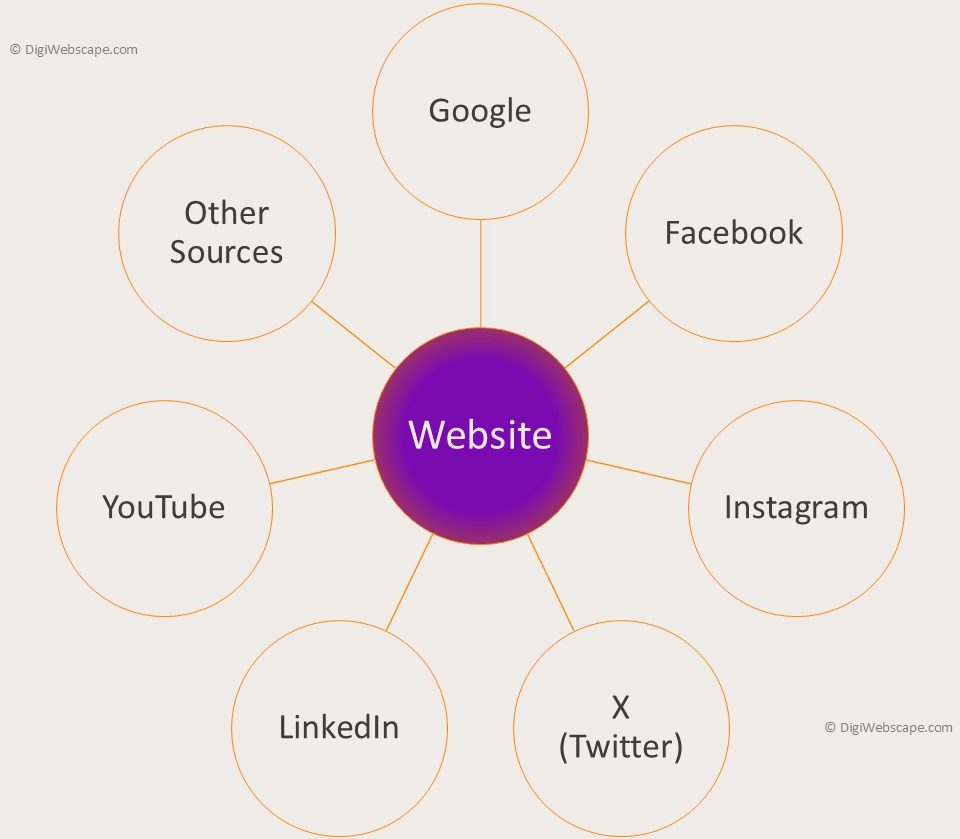
Omni-Channel Convergence solves this by:
- Simplifying Operations: Focus your energy and resources on one primary platform.
- Unifying Data: Gather all customer insights in one place for better analytics.
- Improving Efficiency: Reduce the time spent switching between disjointed tools.
- Enhancing Clarity: Create a clear, consistent brand message across all touchpoints.
The Limitations of Isolated Channels
While social media profiles, contact numbers and email addresses are valuable, they have inherent limitations:
- Lack of Ownership: You don’t own the platform (e.g., if Facebook changes its algorithm, your reach drops).
- Fragmented History: Customer conversations are often lost or disconnected across different apps.
- Limited Functionality: Social profiles cannot offer the full range of e-commerce or booking features a website can.
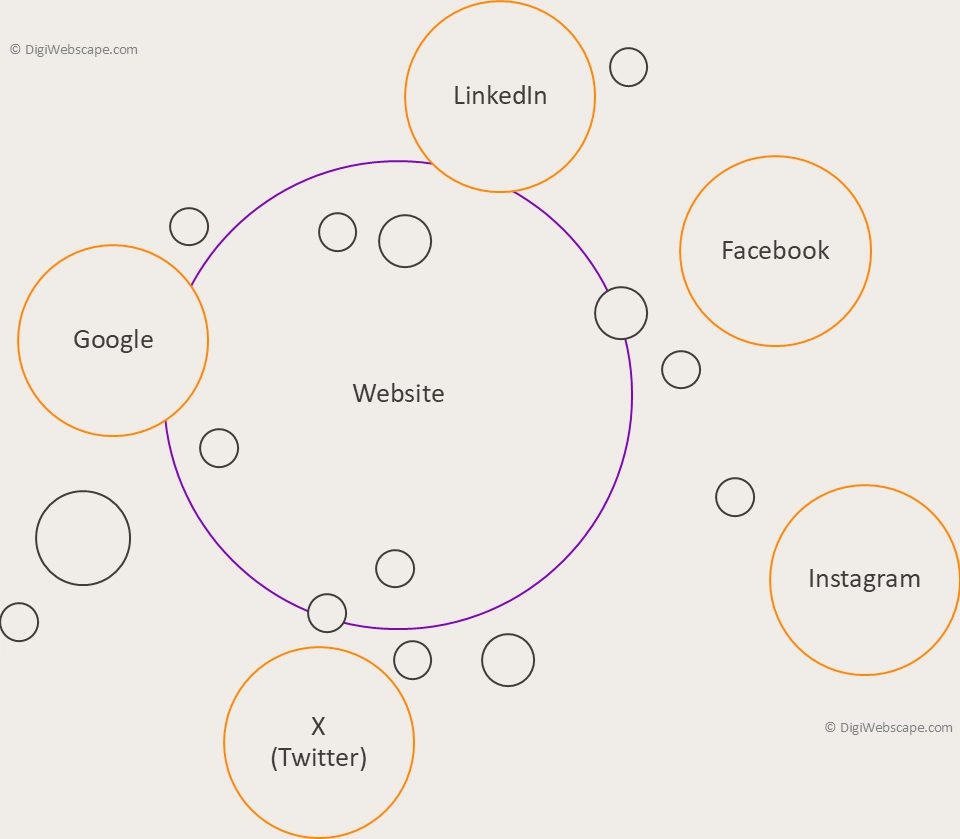
This is why a professional website is the ideal anchor for your Omni-Channel strategy. It serves as a permanent, customizable asset that effectively represents your business.
How to Implement Omni-Channel Convergence
To successfully implement this strategy, follow these steps:
- Build a Central Hub: Ensure your website is optimized for speed, mobile devices and conversions.
- Redirect Traffic: Use social media bios, email signatures and digital ads to drive users to your site.
- Integrate Communication Tools: Embed chat widgets, contact forms and booking systems directly into your site.
- Consolidate Support: Move customer service inquiries from social DMs to a centralized helpdesk or ticketing system linked to your site.
Conclusion
Omni-Channel Convergence is not just a buzzword; it is a necessary evolution for digital businesses. By concentrating your efforts on a single, robust platform, you create a streamlined approach that simplifies management and drives greater efficiency.
Ready to optimize your product development and digital strategy? Explore our other guides on Management with Quality, Timeframe and Budget Constraints (QTB) and The Drawbacks of Using Visual Web Builders.
Usage Terms
- Personal Use: You may use the term “Omni-Channel Convergence” for general discussions, provided you link back to this page and give credit to the original author.
- Professional Use: For commercial use of this term in marketing materials or reports, please contact the author directly.
- Context: This term is specifically designed for discussions regarding Web Design, Web Development, Digital Marketing, Sales, Customer Service and Digital Strategy.
Originally published on LinkedIn: August 20, 2020, by lead author.